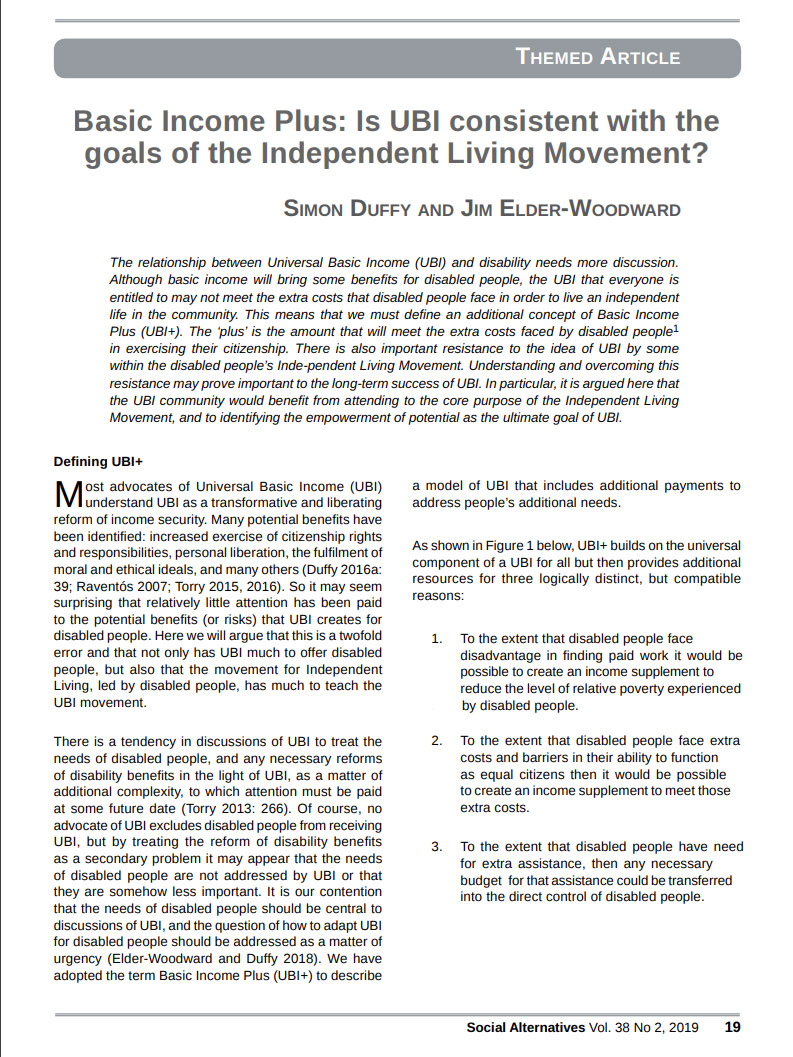
This evaluation used a mixed–method approach. Interviews with young people, staff, carers and local authority stakeholders were utilised as an evaluation of process to understand the experiences of implementation and the arrangements. An outcome evaluation collected monitoring and survey data to determine distance travelled in relation to young people’s engagement in education, employment and training (EET); integration with family and community; physical health; mental health and vulnerability to risk. Interviews with young people, carers, staff and stakeholders provided qualitative data regarding the barriers and facilitators to positive outcomes. A break-even cost analysis was used to examine the costs associated with the programme and the potential cost savings.
Region: United Kingdom
Shared Lives Plus Community – Alternative to Residential Care
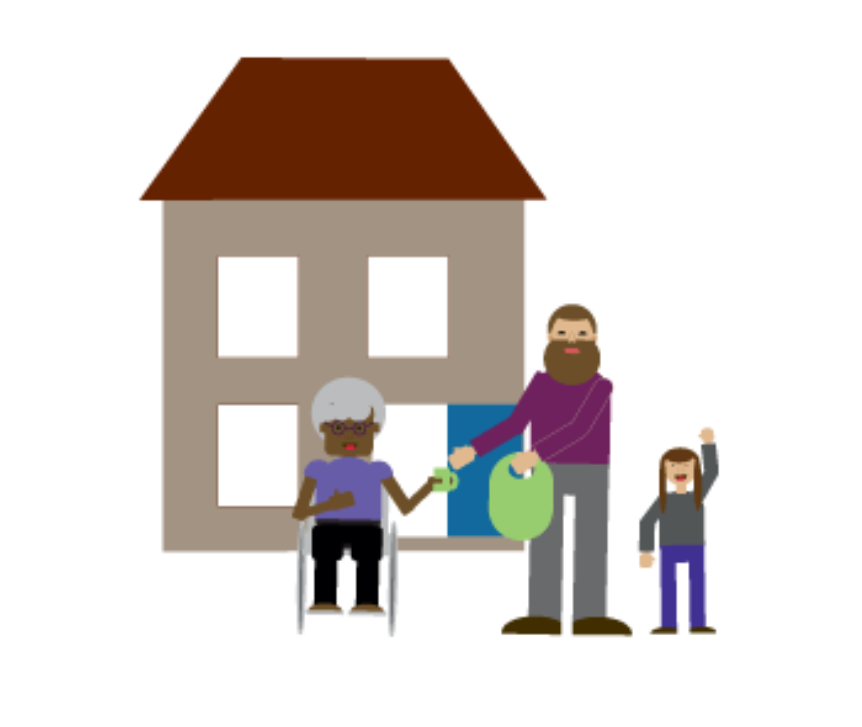
In Shared Lives, a young person or adult who needs support is matched with a carefully approved Shared Lives carer. Together, they share family and community life. Half of the people using Shared Lives live with their Shared Lives carer, sometimes for many years. The other half visit their Shared Lives carer for day support or overnight breaks.
Developing an Outcome Measurement Tool for Shared Lives
Shared Lives Plus commissioned the Personal Social Services Research Unit at the University of Kent to develop an outcome measuring tool for Shared Lives. The purpose is to be able to more easily demonstrate the benefits of Shared Lives locally, regionally and nationally. It needed to be easy to use as part of current processes, co-produced with Shared Lives users, carers and schemes and evidence-based.
The Keys to Citizenship
Citizenship is about living a good life that we each choose and making contributions to the community, while respecting the rights of others to pursue their own path. In this video, Simon Duffy describes 7 keys to how we can achieve citizenship in practice for everyone.
My Shared Life: Measuring the Outcomes of Shared Lives
In 2014, Shared Lives Plus (the UK network for family-based and small-scale ways of supporting adults) commissioned PSSRU to develop an outcomes measuring tool so that there would be a consistent approach to gathering information across the sector.
Living in your own home with a disability – the experiences of people with disabilities of support from their community

The research aimed to find out what makes independent living easier or harder for people with disabilities. In particular, it focused on how people with disabilities living independently in the community access “natural community supports”. These are people who are not disability service providers, but who provide assistance, contact or companionship which enables people with disabilities to participate in their local communities.
Shared Lives Plus -A Shared Lives Charter
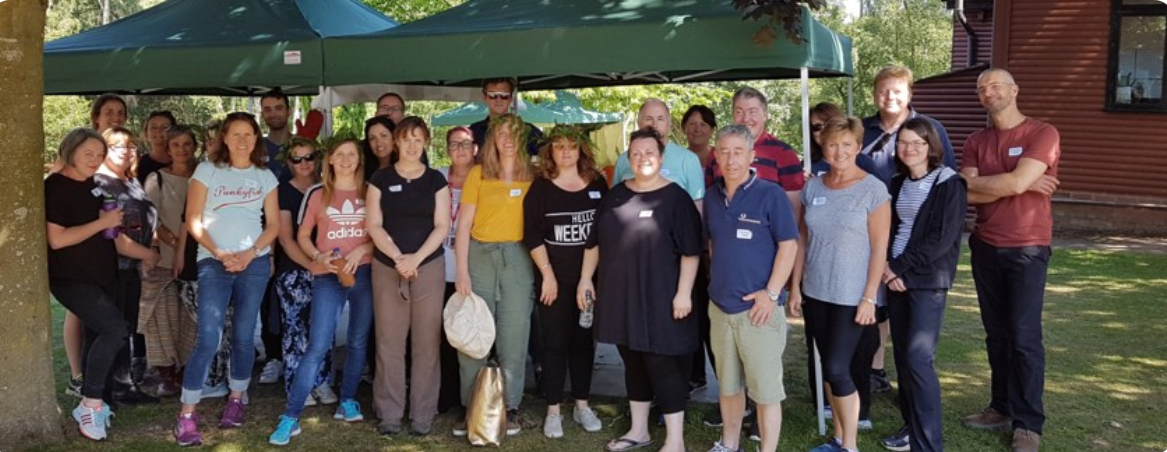
Shared Lives Plus help build communities where everyone lives a full life, regardless of the support they need. We do this by turning Shared Lives and Homeshare into thriving, mainstream options, with all the right structures in place to support and guide who want to share their lives and homes.
Shared Lives Plus – Ambassador’s Test
Welcome to Shared Lives Plus. We are the UK membership charity for more than 6,000 Shared Lives carers, 150 Shared Lives schemes and a growing network of over 25 Local Homeshare organisations. Our vision is a kinder, stronger society built on sharing our lives and our homes. We help build communities where everyone lives a full life, regardless of the support they need. We do this by turning Shared Lives and Homeshare into thriving, mainstream options, with all the right structures in place to support and guide who want to share their lives and homes.
Grounding The Right To Live In The Community (CPRD Article 19) In The Capabilities Approach To Social Justice
This paper brings to bear the capabilities approach, a normative framework about human well-being, social development and social justice, to this central concern in disability rights, mental health ethics, and international human rights law: protecting and respecting a person’s right to live in a community as an equal. We argue that this human and moral right is best conceptualized as a capability to live in the community as an equal member. The capabilities approach provides this capability with a strong ethical framework and conceptual resources to guide reasoning and its practical realization.