All disabled people, regardless of their impairment, have a right to independent living under Article 19 of the United Nations Convention on the Rights of Persons with Disabilities (UN CRPD).This article recognises: “the equal right of all persons with disabilities to live in the community, with choices equal to others, and shall take effective and appropriate measures to facilitate full enjoyment by persons with disabilities of this right and their full inclusion and participation in the community.”
Region: United Kingdom
Shared Lives in Wales 2017-18
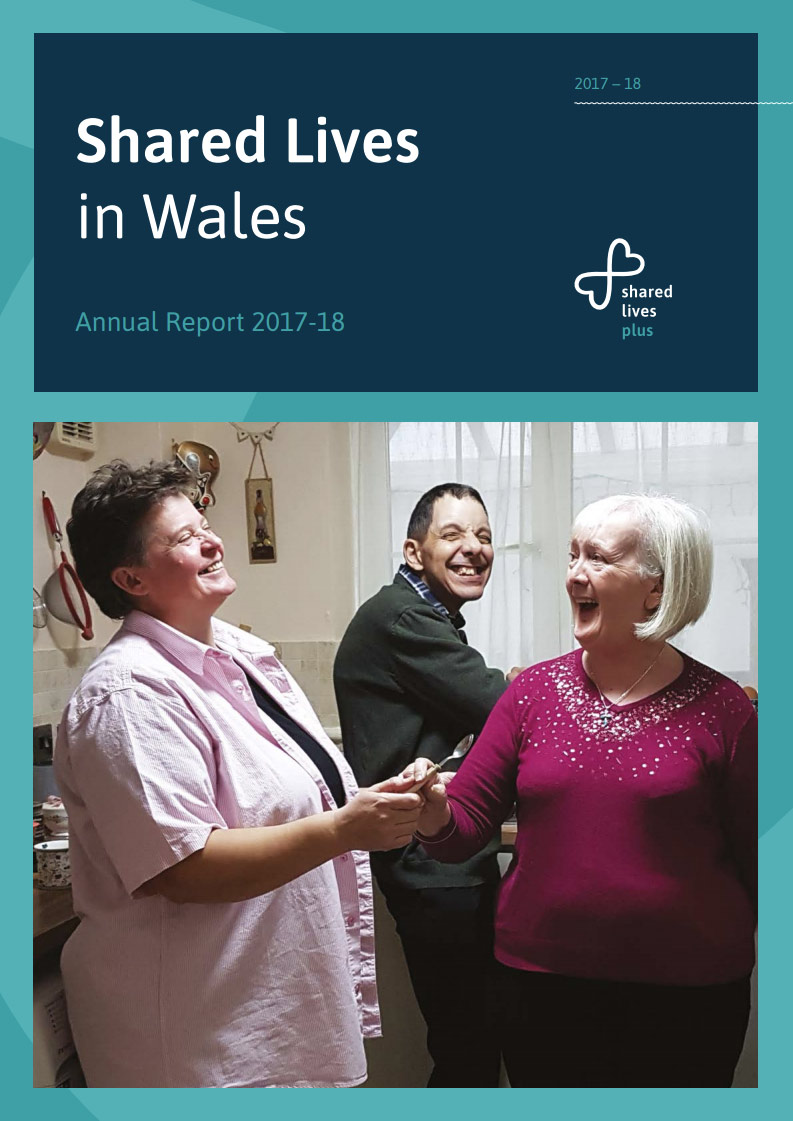
Shared Lives Plus. Our vision is a kinder, stronger society built on sharing our lives and our homes. We help build communities where everyone lives a full life, regardless of the support they need. We do this by turning Shared Lives and Homeshare into thriving, mainstream options, with all the right structures in place to support and guide who want to share their lives and homes.
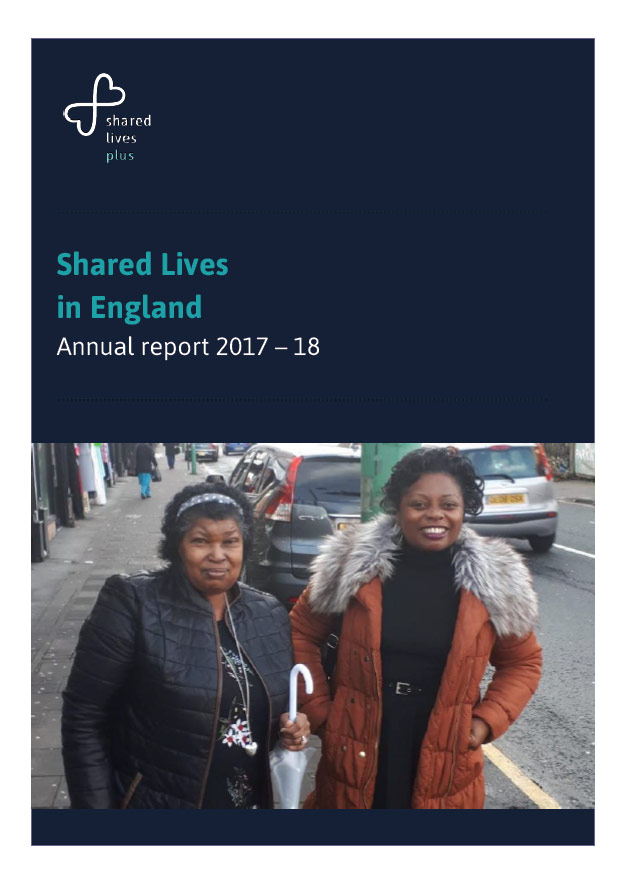
Shared Lives in England 2017-18
State Of The Nation Shared Lives In Wales February 2020
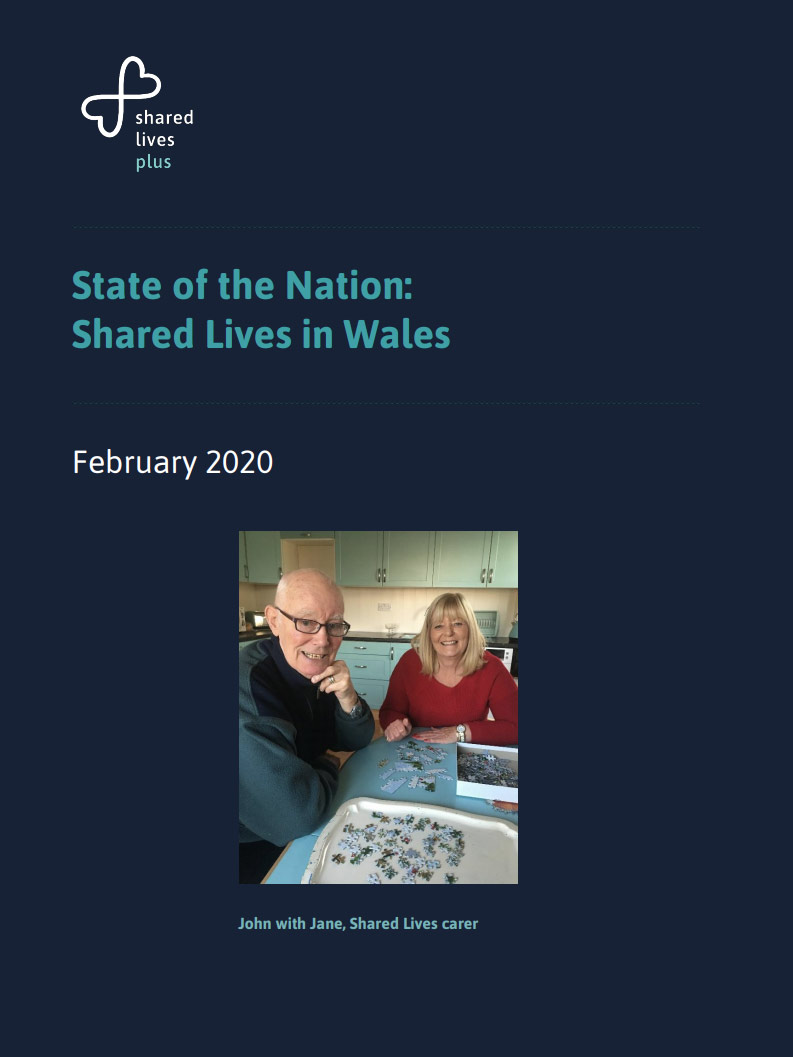
A Shared Lives carer shares their home and family life with someone who needs support to live well and independently. The support they offer is flexible, tailored to the needs of the individual. It can be as little as a few hours a day once or twice a week, overnight stays and respite for family carers, or a long-term relationship where the person moves into the Shared Lives carers home. The care they provide is monitored by Shared Lives schemes that are regulated and inspected by the Care Inspectorate Wales to ensure high standards.
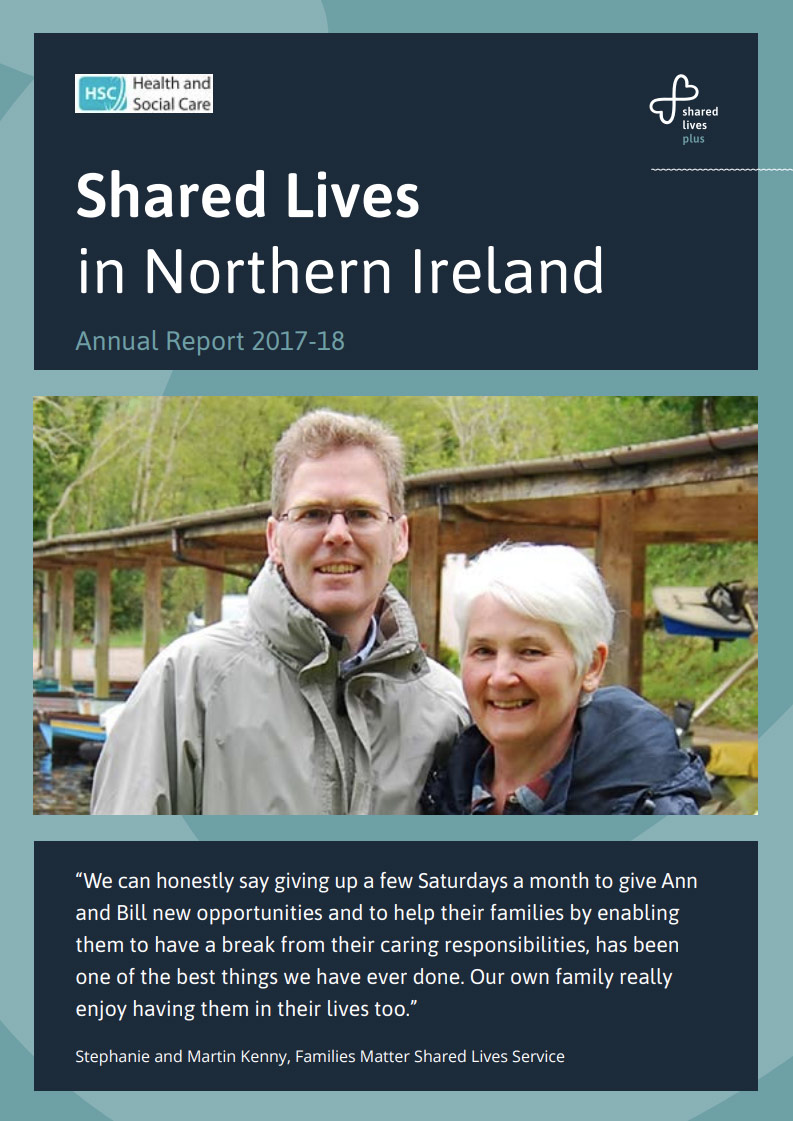
Shared Lives in Northern Ireland Annual Report
Neighbourhood network Parent-and-Carer-Information
Neighbourhood Networks strives to carry out excellent work and have positive relationships with everyone we support and come into contact with. We are realistic and appreciate that things do not always go according to plan. We need to know when things go wrong so that we can put them right – and make sure the same problem does not arise again. In this way our service can continue to improve.
A New Way Home
People with learning disabilities and challenging behaviour have continued to be placed in long-stay institutions, often a long way from home. New ‘placements’ of this kind have not always been avoided, and some people have not yet been afforded the opportunity to plan for their departure. This travel guide demonstrates tried and trusted methods for navigating the difficult road home. (The guide demonstrating how to avoid that difficult journey in the first place is perhaps for another day, though its outline can be discerned from the principles and practices described here.) But it also affords all of us, as concerned citizens, a set of principles, ideas and practices we can use to hold each other account in making sure these journeys are taken.
Creating High Quality Individualised Outcomes
Most countries have established (or are establishing) national policy work on a range of innovative funding approaches. These approaches are instrumental in changing the way in which services to people with a disability are developed and delivered and are indicative of a world wide movement towards greater self direction by people with disabilities over the supports which they receive and greater self determination over how they choose to live their lives.