Region: International
Implementing Self Determination Initiatives
Exploring the links between psychological flexibility, individual wellbeing, and relationship quality
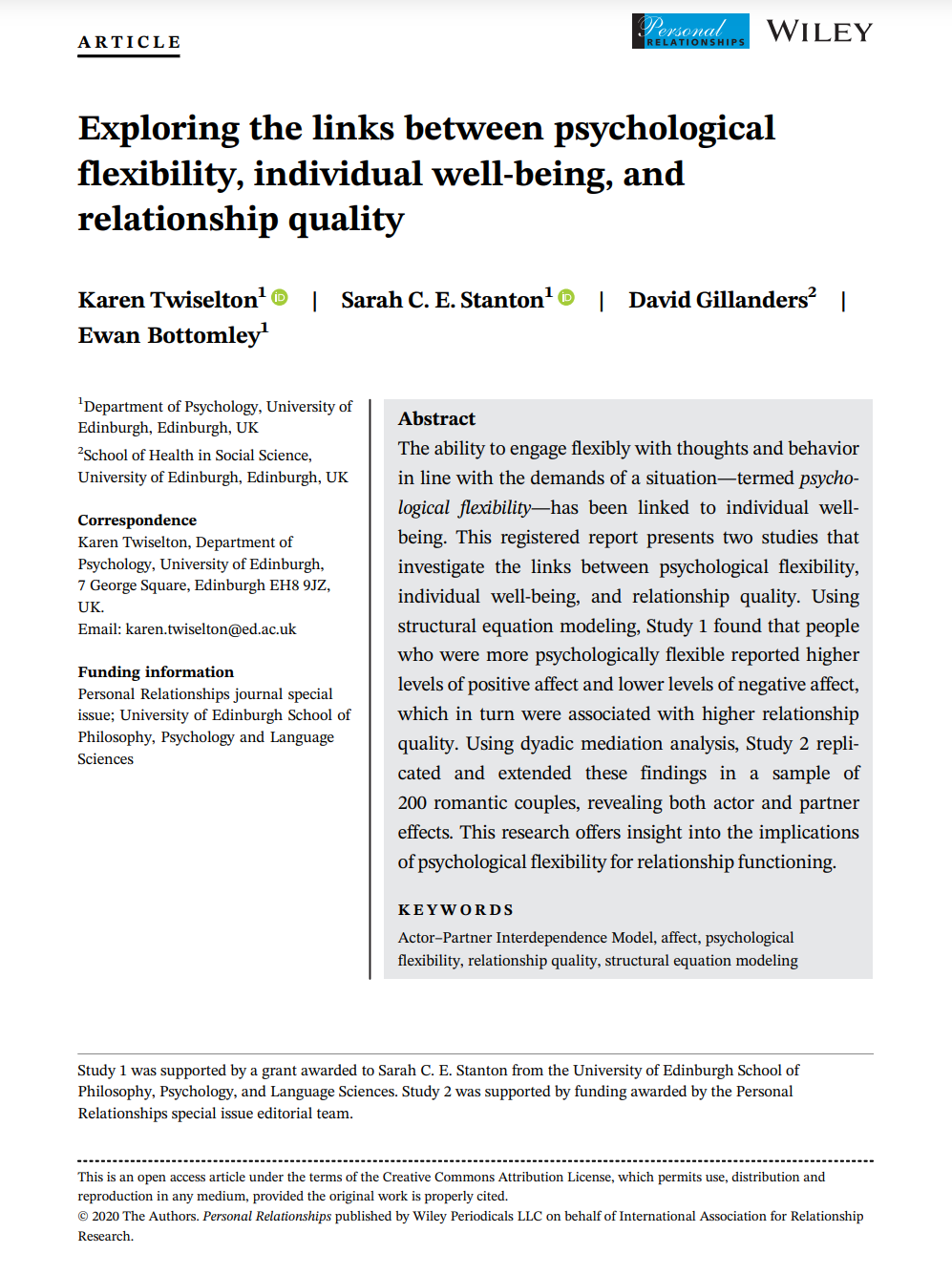
This registered report presents two studies that investigate the links between psychological flexibility, individual well-being, and relationship quality. This study explores the associations and potential overlap between psychological flexibility and the self-determination variables (i.e. impersonal, control, and autonomous orientations).
Deinstitutionalisation and community living outcomes and costs: Report of a European Study
Volume 3 Country Reports: These country reports form the third volume of the final report from the European Union Project Deinstitutionalisation and community living – outcomes and costs: report of a European Study. There are 28 country reports included. For the most part, the reports have been written by the researchers and in some cases the experts in each of the partner institutions, using a variety of sources, including government policy, web-based documents, statistical reports and academic papers.
From Institution to Community Living
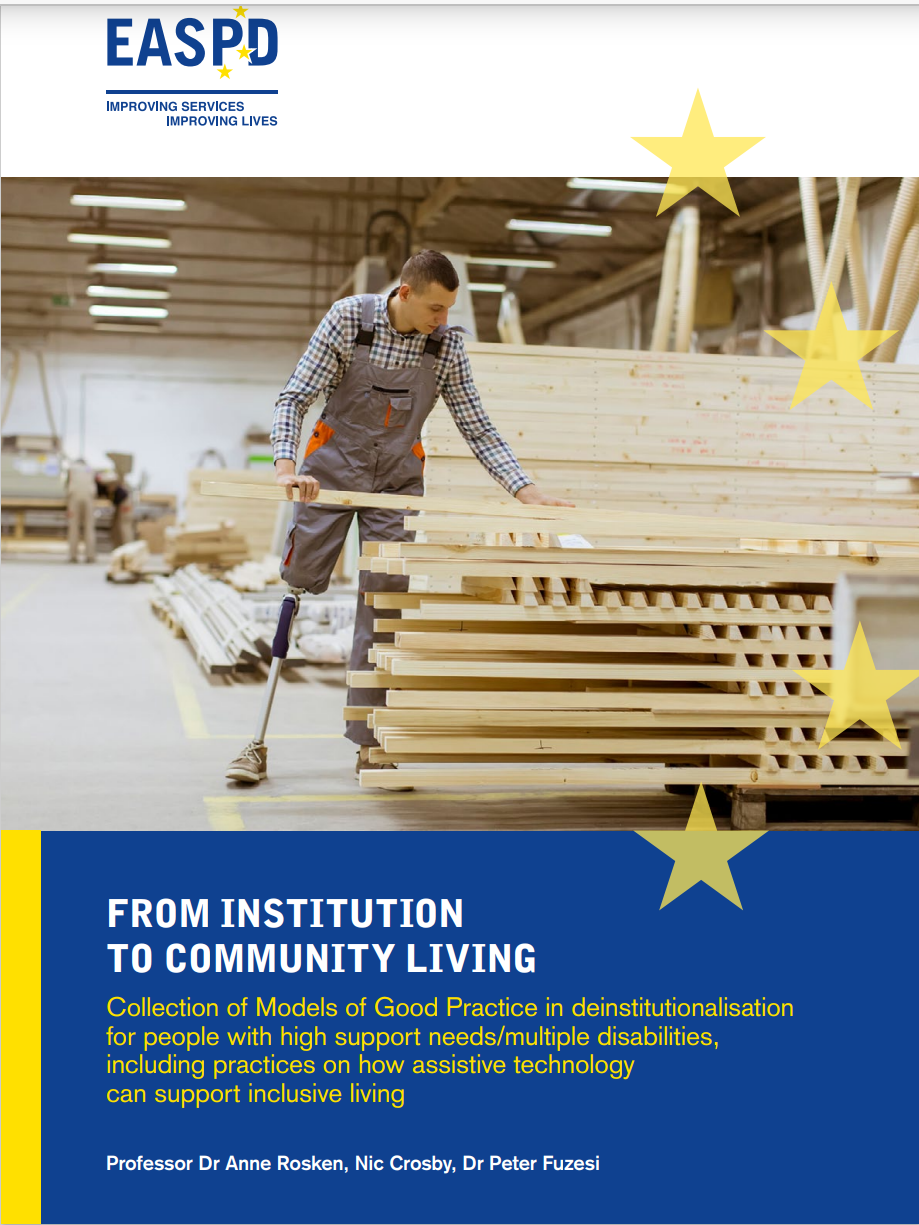
The work centres on identifying five case studies from across the European region where an institution for people with disabilities including those with high/complex support needs, has been completely closed. The case studies span almost fifty years of time and work; in the view of the project team this provides a useful timeline that identifies how each has learned from the experience of the previous work and built an ever stronger and evidence informed approach to complete closure.
From the radicals setting out to close the institution in Trieste, led by Franco Basaglia, to the detailed and strategic approach in Moldova, each case study provides a good sense of the work needed and what it takes to
succeed in completely closing an institution for people with disabilities.
The Complexities of Choice
Connie Lyle-O’Brien and John O’Brien explore the complexity of choice for people with developmental disabilities in the absence of a breadth of experience, and a strong network of relationships.
Radicalised Citizenship with Carol Blessing
Genia Stephen, in her ‘Good Things In Life’ podcast series invites Carol Blessing to talk about her Citizen Centred Leadership Development (CCLD) program, and her concept of radicalized citizenship.
Recognition, Vulnerability and Trust
This paper examines the question of whether recognition relations are based on trust. Theorists of recognition have acknowledged the ways in which recognition relations make us vulnerable to others but have largely neglected the underlying ‘webs of trust’ in which such relations are embedded.
Socio-materiality of trust: co-design with a resource limited community organisation
Trust is an essential if often implicit aspect of co-design particularly when working in community-based, political and sensitive settings. The paper highlights the significance of materials in negotiating the interdependencies of trust, in how distrust can be leveraged and trust can be supported through sensitive socio-material exchange conducted with resource limited community organisations.
Deinstitutionalisation and community living – outcomes and costs: Report of a European Study.
Volume 1 Executive Summary: This project aimed to bring together the available information on the number of disabled people living in residential institutions in 28 European countries, and to identify successful strategies for replacing institutions with community-based services, paying particular attention to economic issues in the transition. It is the most wide-ranging study of its kind ever undertaken.