This paper puts forward the argument that the concept of the language of trust and trustworthiness can be a useful way of understanding what trust means in specific situations. This concept refers to linguistic devices – verbal and non-verbal – which purposefully convey trust and create a foundation for continuing or improving relations.
Region: International
Deinstitutionalisation and community living – outcomes and costs: report of a European Study
Volume 2 Main Report: The next section of the report describes briefly the methods used in each part of the project. The findings of the project are then presented in four sections. The first of these presents the results of Phase 1 and deals with the review of European and international data sources, the identification and collation of existing national data sources, their analysis and clarification of the adequacy and completeness of the data.
Self-Determination: Theory of Motivation
This article explores Self Determination Theory and why intrinsic motivation matters.
The 3 R’s of Social Care Reform
How constructive risk taking, respectful relationships and a sense of reciprocity characterised a positive response to the Covid-19 pandemic. This paper draws upon the TLAP Insight Group report, A Telling Experience and subsequent meetings with regional ADASS branches, as well as interviews with people for the case studies. It also draws on some of the rich conversations from the Social Care Future Festival, the National Children and Adults Services Conference (NCASC), as well as the ‘fireside conversations held with TLAP Partners, all at the end of 2020.
Deinstitutionalisation Strategy in Greece
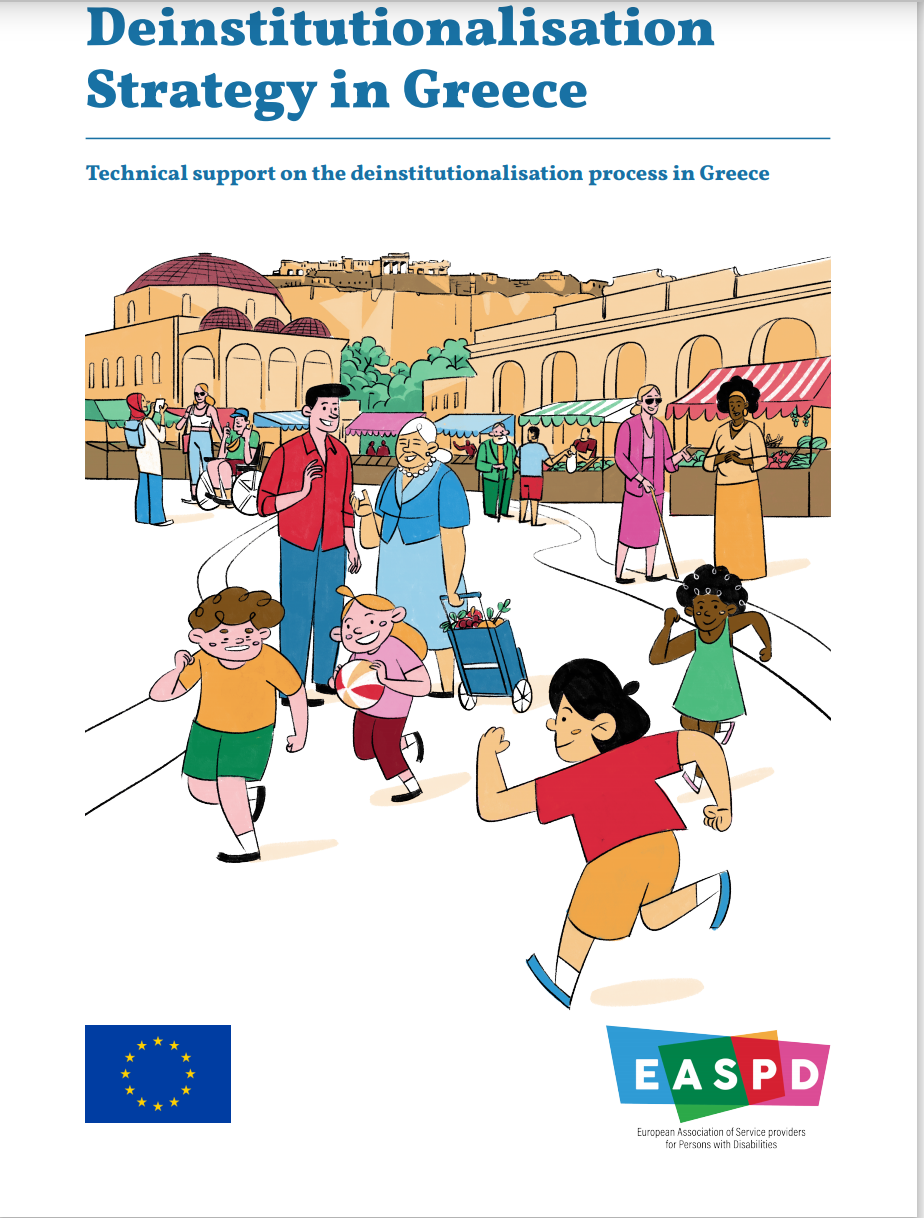
This document describes the main priorities of the national deinstitutionalisation strategy for Greece. The social care reforms which are referred to in the document are particularly aimed at promoting and developing sound legal and financial frameworks addressing specifically the needs of the following target groups: children, children with disabilities, adults with disabilities and elderly; however, the outcomes of a more comprehensive, inclusive social protection system will be beneficial to all persons that may have support needs throughout their lives.
The outcomes of individualised housing for people with disability and complex needs: a scoping review
Worldwide, disability systems are moving away from congregated living towards individualized models of housing. Individualized housing aims to provide choice regarding living arrangements and the option to live in houses in the community, just like people without disability. The purpose of this scoping review was to determine what is currently known about outcomes associated with individualized housing for adults with disability and complex needs.
“Living A Good Life” Quality of Life and Homeshare
Community Living British Columbia (CLBC) is committed to a vision of supporting people with intellectual disabilities to live “Good lives in Welcoming Communities”. Home Sharing is a residential option that strives to support that vision. In general, the findings of this exploratory study revealed that overwhelmingly self advocate, homes share provider, and family member participants agreed that the home sharing model was flexible, adaptive, and supported quality of life more effectively than group homes.
Wish Fulfilling Justice

Stories of people with disabilities who are living in their own homes through ARHC’s Homebuilders Program.
Citizenship is for Everyone
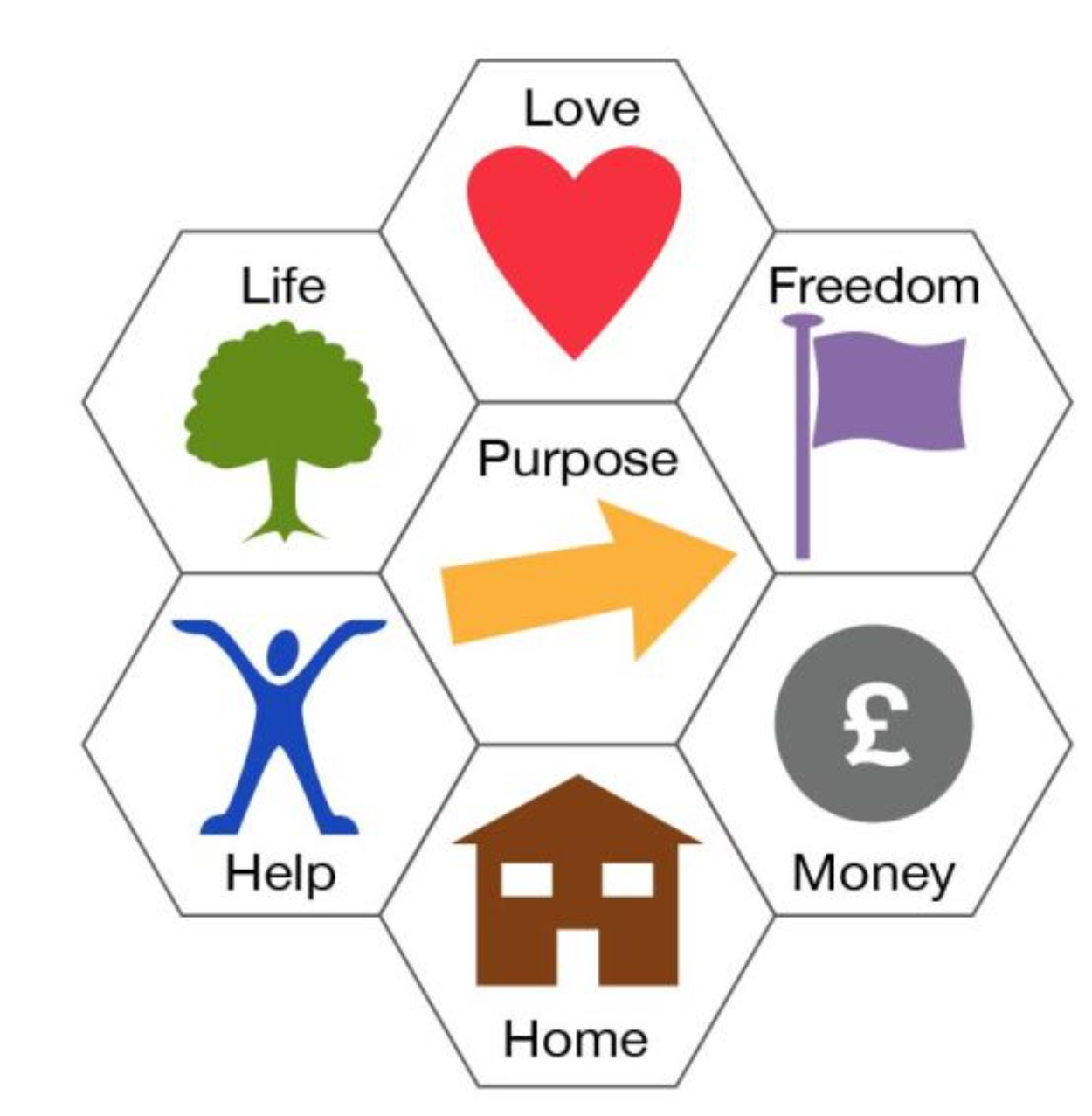
In this film Simon Duffy talks about citizenship, what it is and why it is for everyone.
Love Is a Wonderful Feeling
This video is the result of a research project Exploring support for people with learning disabilities to find loving relationships, which took place at the Tizard Centre, University of Kent 2018-2019. The research was funded by NIHR School for Social Care Research. In the video you will hear people with learning disabilities talk about the importance of loving relationships and the kinds of support they want and need.