This paper brings to bear the capabilities approach, a normative framework about human well-being, social development and social justice, to this central concern in disability rights, mental health ethics, and international human rights law: protecting and respecting a person’s right to live in a community as an equal. We argue that this human and moral right is best conceptualized as a capability to live in the community as an equal member. The capabilities approach provides this capability with a strong ethical framework and conceptual resources to guide reasoning and its practical realization.
Region: International
Getting a Life – Living Independently and Being Included in the Community

Meeting Canada’s Obligations to Affordable Housing and Supports for People with Disabilities to Live Independently in the Community: Under Articles 19 and 28
NZ Choice In Community Living Cabinet Paper
Basic Income Plus: Is UBI consistent with the goals of the Independent Living Movement?
As If- Living Like Others- An Idealisation Of Life In Group Homes For People With Intellectual Disability
Social services for people with Intellectual Disability (ID) in Sweden are based on the tenet of equal citizenship. The aim for disability services is to enable people with ID to live like others. The Act concerning support and service for people with certain functional impairments was passed in 1993 to protect the rights of people in need of wide-ranging support.
Barriers to Independent Living for Individuals with Disabilities and Seniors
Identifying variables that serve as barriers to independent living is especially important given estimates predicting that the numbers of seniors and individuals with disabilities will double in the next 20 years. This doubling will tax an already burdened and costly system of care. The present study queried consumers and other key stakeholders about potential barriers to independent living and their importance.
Home Sharing Info For Families
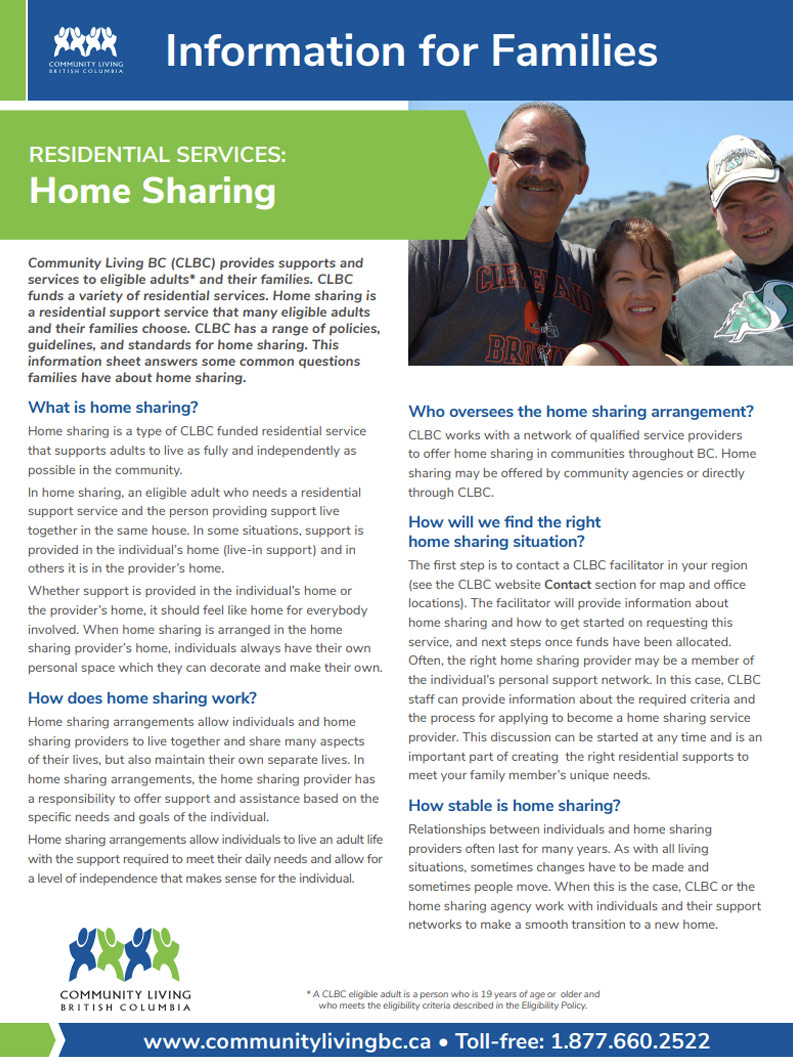
In home sharing, an eligible adult who needs a residential support service and the person providing support live
together in the same house. In some situations, support is provided in the individual’s home (live-in support) and in others it is in the provider’s home. Whether support is provided in the individual’s home or the provider’s home, it should feel like home for everybody involved.
Inclusion International Global Report On Article 19 The Right To Live And Be Included In The Community
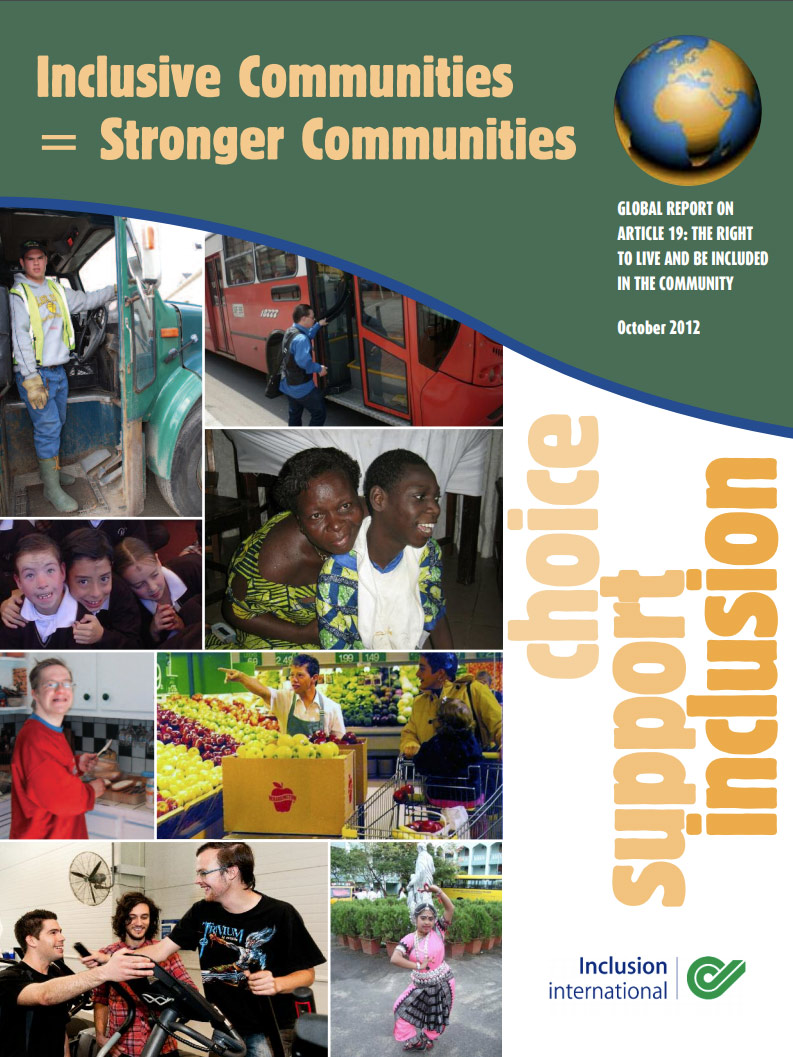
Two years ago we embarked on a campaign to promote the right of people who have an intellectual disabilities to live and be included in the community. We have reached out to self-advocates and families around the world. We listened to their stories and heard about their challenges. For people with intellectual disabilities being included in the community is fundamentally about relationships, to families, friends and community. Families play a critical role in supporting people to be included and in building inclusive communities but just as people with intellectual disabilities feel excluded, families themselves feel isolated and overwhelmed.
Homeshare and NDIS
Many people with disabilities are able to live independently with relatively simple supports. For example people may need assistance with domestic duties (cooking, washing, gardening, cleaning etc.), companionship, or the security of someone to staying in their house overnight. However, the cost of these supports if provided only by paid workers is often prohibitive. Moreover one can imagine many circumstances where the companionship of a trusted housemate may be preferable to the company of paid workers: eg sharing a meal, going to a football match, staying overnight, etc.