All disabled people, regardless of their impairment, have a right to independent living under Article 19 of the United Nations Convention on the Rights of Persons with Disabilities (UN CRPD).This article recognises: “the equal right of all persons with disabilities to live in the community, with choices equal to others, and shall take effective and appropriate measures to facilitate full enjoyment by persons with disabilities of this right and their full inclusion and participation in the community.”
Region: International
European Network on Independent Living
The idea of the Independent Living movement spread to Europe from the United States of America in the late 1960s, whereas the European Network on Independent Living (ENIL) was established in 1989. One of the pioneers of the
movement in Europe was Adolf Ratzka. At the age of 22, he won a scholarship to study in California. There, he experienced personal assistance and other accessible facilities. In 1973, he moved to Sweden, where he found that attitudes towards disabled people were much different. In 1984, he founded STIL – the Stockholm Cooperative for
Independent Living. The idea was to reverse the situation of disabled people, where they are perceived as service users, not patients or objects of care. In the UK, John Evans and several other disabled people living in the same institution – together known as Project 81 – managed to break free by persuading relevant authorities to redirect the funding away from the institution, so that disabled people themselves can choose their own housing and support.
The Zero Project Report 2019 on Independent Living and Political Participation
The Essl Foundation MGE gemeinnützige Privatstiftung is an Austrian foundation established in 2007 by Martin and Gerda Essl, and their children, for social purposes and scientific research. Its mission is to support social innovation, social entrepreneurship and persons with disabilities.
Vulnerability in Adult Homesharing Situations for Persons with Disabilities

This paper central purpose is to highlight some of the more likely vulnerabilities that may be present for the people who find themselves resident in supported adult home sharing living situations. It does not directly define or address the conceivable safeguards that may be crafted to offset these vulnerabilities, though it may assist with these by giving some prominence and clarity to the varieties of common vulnerabilities that may be present in supported adult home sharing situations. What is meant by “(supported) adult home sharing situations” is described within the paper.
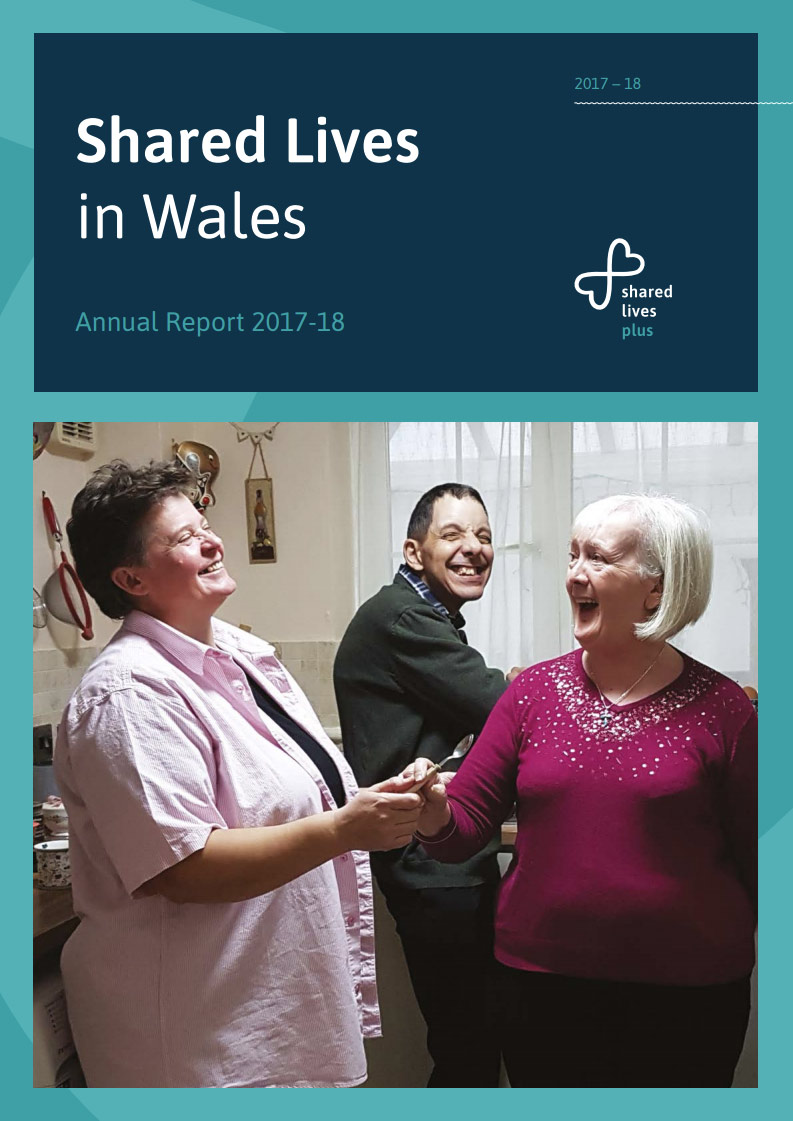
Shared Lives in Wales 2017-18
Shared Lives Plus. Our vision is a kinder, stronger society built on sharing our lives and our homes. We help build communities where everyone lives a full life, regardless of the support they need. We do this by turning Shared Lives and Homeshare into thriving, mainstream options, with all the right structures in place to support and guide who want to share their lives and homes.
Shared Lives in England 2017-18
State Of The Nation Shared Lives In Wales February 2020
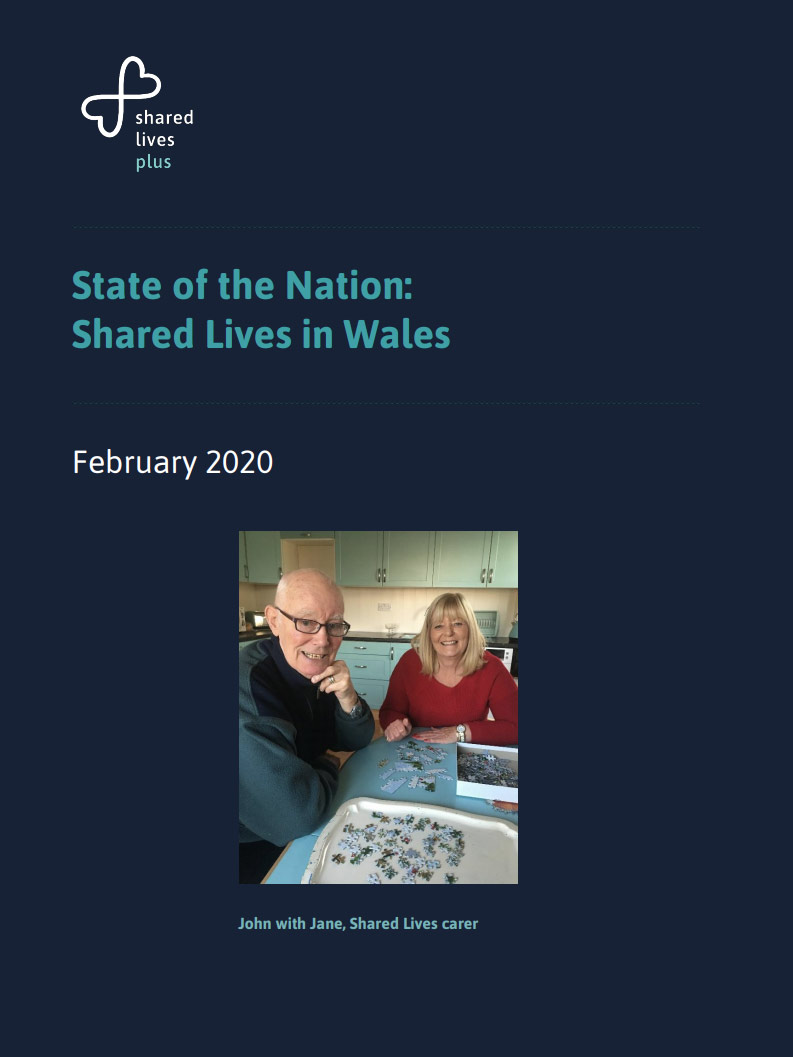
A Shared Lives carer shares their home and family life with someone who needs support to live well and independently. The support they offer is flexible, tailored to the needs of the individual. It can be as little as a few hours a day once or twice a week, overnight stays and respite for family carers, or a long-term relationship where the person moves into the Shared Lives carers home. The care they provide is monitored by Shared Lives schemes that are regulated and inspected by the Care Inspectorate Wales to ensure high standards.
Shared Lives in Northern Ireland Annual Report
The Research and Training Center on Independent Living
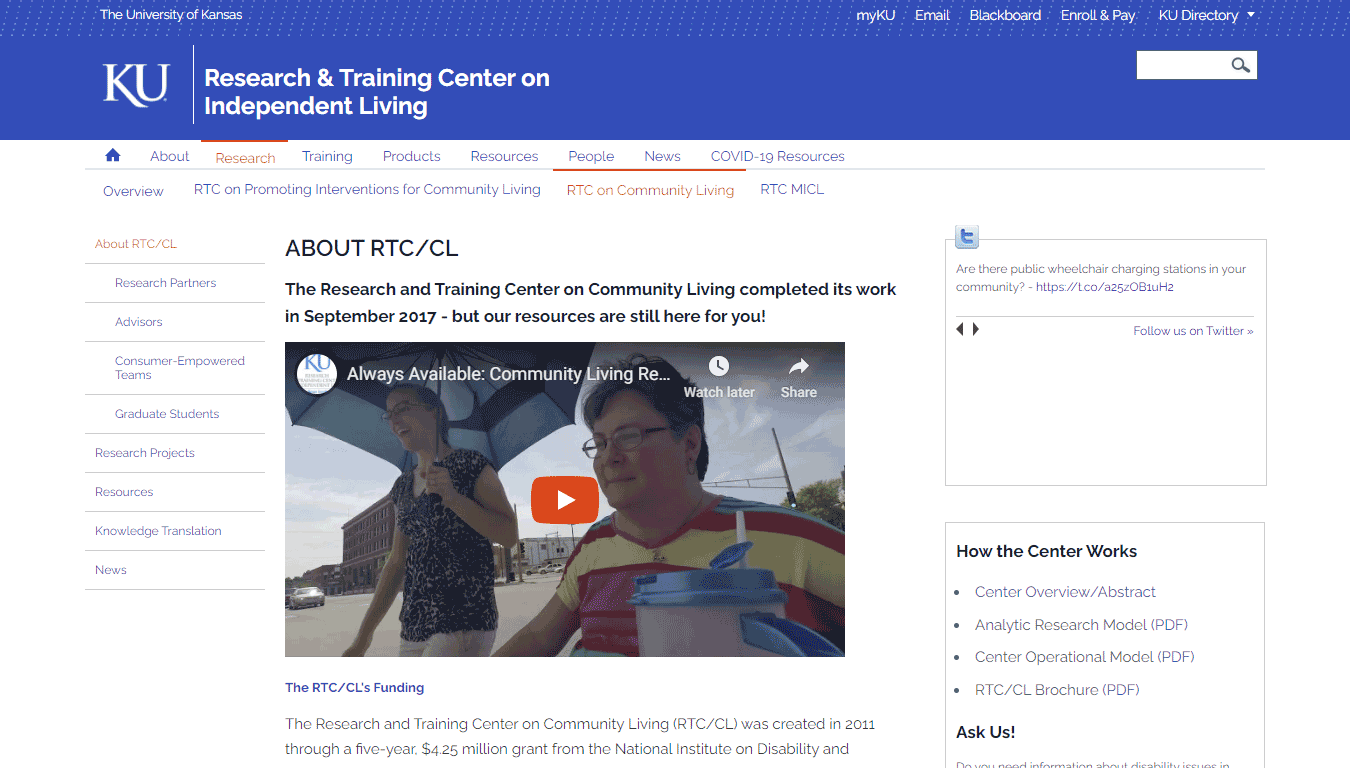
The Research and Training Center on Independent Living is made up of a team committed to research that can be used to enhance Independent Living (IL) for people with disabilities. Our mission is to further Independent Living for people with disabilities by collaborating with consumers on productive research and by using innovative methods to disseminate useful knowledge. Our team is based at The University of Kansas in the Life Span Institute. We partner with researchers at other universities and professionals at a variety of other disability organizations.
Neighbourhood network Parent-and-Carer-Information
Neighbourhood Networks strives to carry out excellent work and have positive relationships with everyone we support and come into contact with. We are realistic and appreciate that things do not always go according to plan. We need to know when things go wrong so that we can put them right – and make sure the same problem does not arise again. In this way our service can continue to improve.