People with learning disabilities and challenging behaviour have continued to be placed in long-stay institutions, often a long way from home. New ‘placements’ of this kind have not always been avoided, and some people have not yet been afforded the opportunity to plan for their departure. This travel guide demonstrates tried and trusted methods for navigating the difficult road home. (The guide demonstrating how to avoid that difficult journey in the first place is perhaps for another day, though its outline can be discerned from the principles and practices described here.) But it also affords all of us, as concerned citizens, a set of principles, ideas and practices we can use to hold each other account in making sure these journeys are taken.
Region: International
Myth Buster: Independent Living
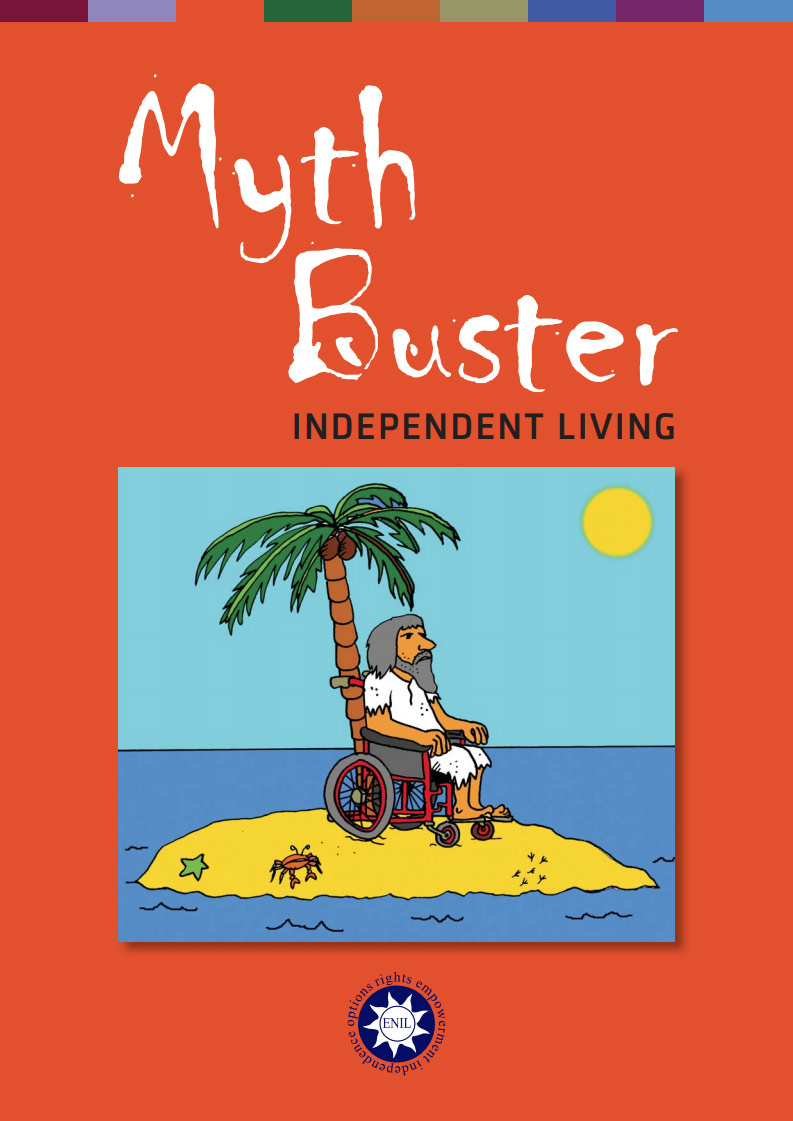
The European Network on Independent Living (ENIL) decided to publish this Myth Buster, in order to raise awareness about independent living and how it can be made a reality for all disabled people. Most of all, ENIL wanted to address the various myths and misconceptions around independent living, because of which what is sometimes referred to as ‘independent living’ is still a form of institution. ENIL hopes that this publication will contribute to a better understanding of the right to live independently in the community, as set out in Article 19 of the UN Convention on the Rights of Persons with Disabilities.
Myth Buster: EU Funds and Independent Living
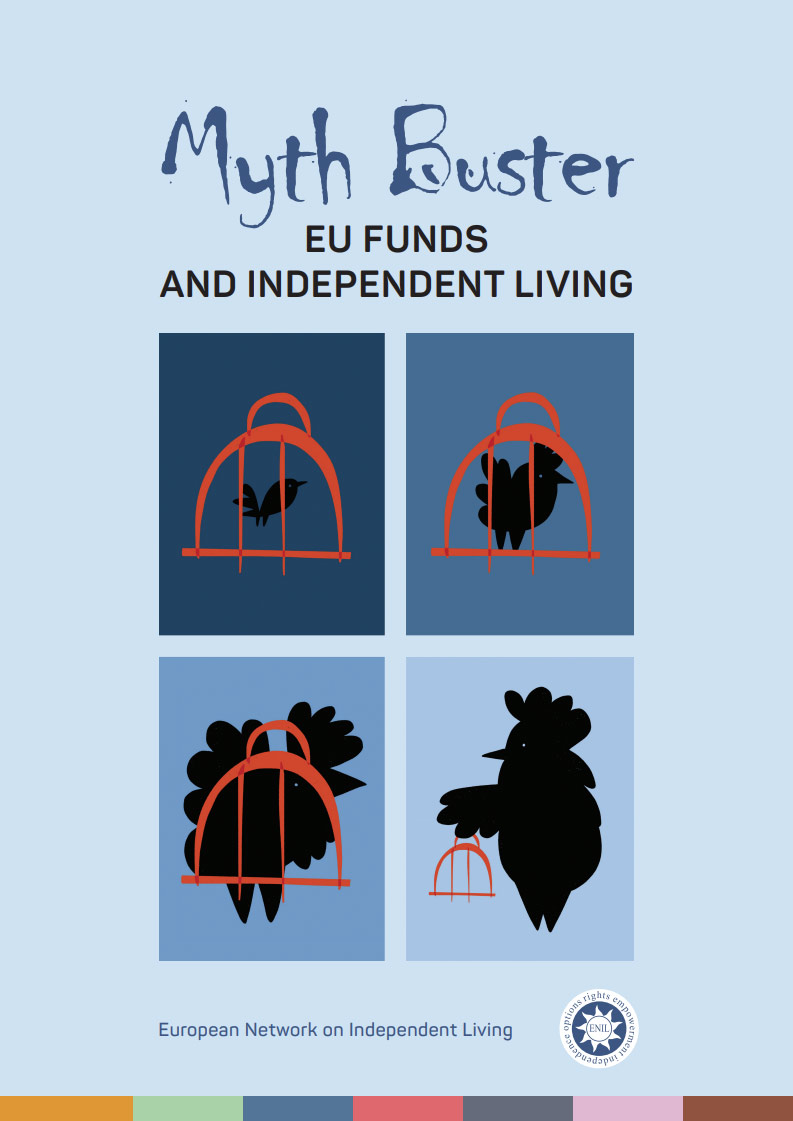
The European Network on Independent Living (ENIL) is a Europewide network of disabled people. It represents a forum intended for all disabled people, Independent Living organisations and their non-disabled allies on the issues of independent living. ENIL’s mission is to advocate and lobby for Independent Living values, principles and practices, namely for a barrier-free environment, deinstitutionalisation, provision of personal assistance support
and adequate technical aids, together making full citizenship of disabled people possible.
About Community Living
All people, regardless of age or disability, should be able to live independently and participate fully in their communities. Every person should have the right to make choices and to control the decisions in and about their lives. This right to self-determination includes decisions about their homes and work, as well as all the other daily choices most adults make without a second thought.
Good Practice – Towards Independent Living – A collection of Examples from Europe
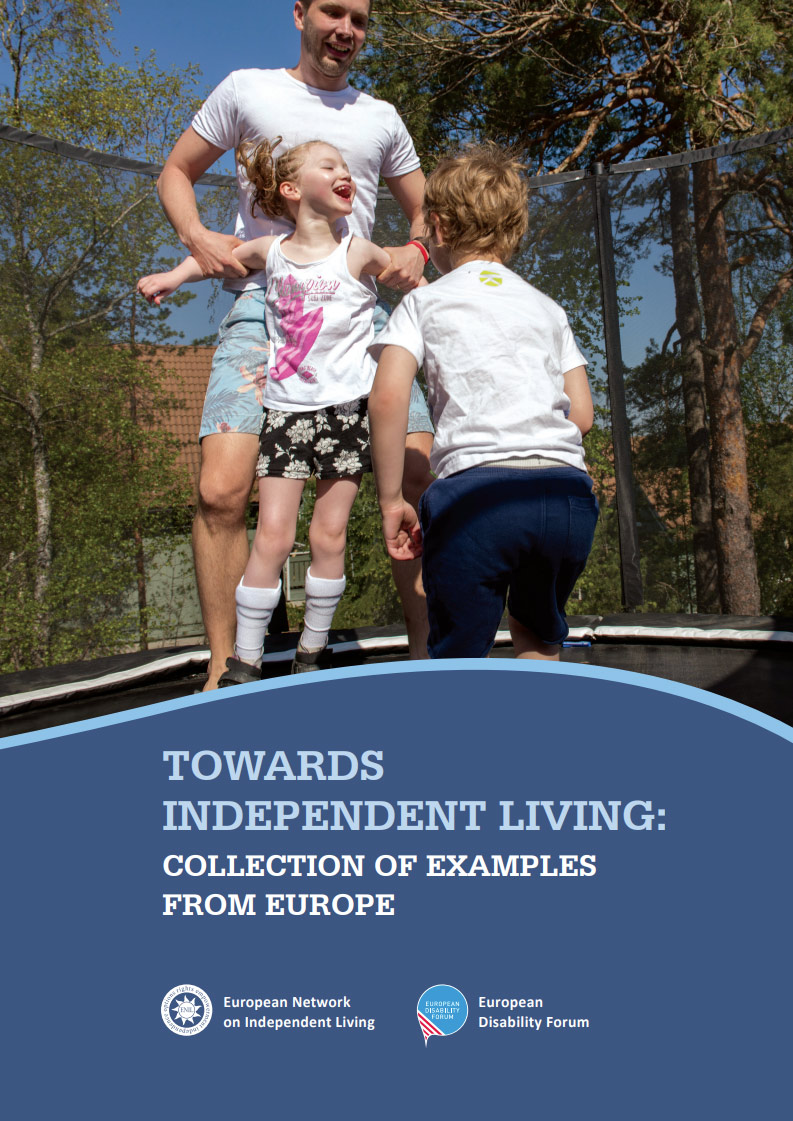
The Collection includes examples from ten EU Member States – Austria, Croatia, the Czech Republic, Estonia,
Greece, Ireland, Italy, Romania, Sweden, and the United Kingdom. Many of them are from a survey of good
practices conducted by EDF at the end of 2016 and relaunched in 2017 in partnership with ENIL. The survey
aimed to gather information about national legislation, strategies and funding, community and support services, projects and experiences. Responses were received from organisations in ten countries, only five of
which proposed good practices. To complement the results from the survey, other practices were identified
drawing on ENIL’s and EDF’s experience and networks. The purpose was to ensure representation of both
new and old Member States, while covering as many areas as possible.
From a Four Bed Placement to a New Life

David and Faye Wetherow created the very first Microboards, and developed Prairie Housing Cooperative (inclusive cooperative housing), L’Avenir Cooperative (a family- and consumer-governed service co-op), the Open Access Resource Centre (a lending library of communications equipment), and some of Canada’s earliest supported employment, individualized funding, and personal support projects.
National Council on Independent Living: Washington
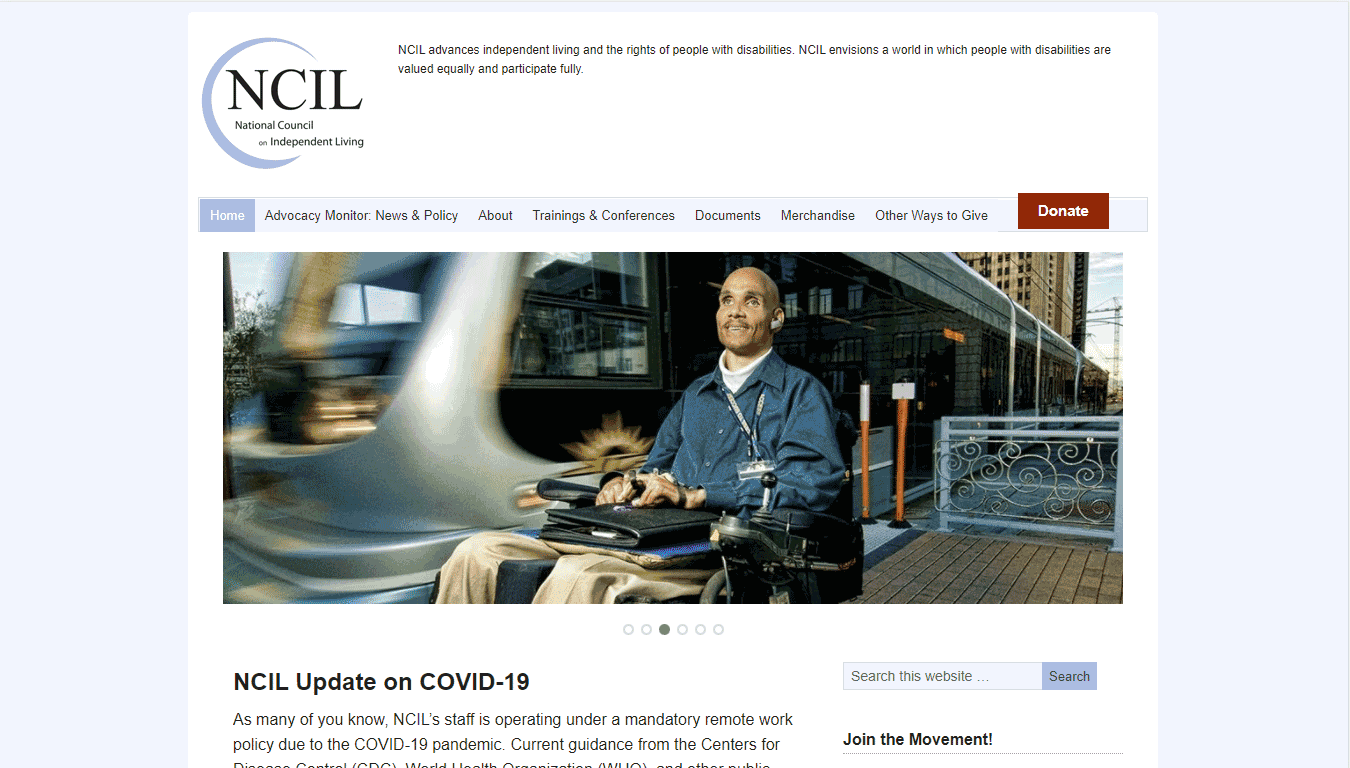
An outcome of the national disability rights and Independent Living Movements, NCIL was founded to embody the values of disability culture and Independent Living philosophy, which creates a new social paradigm and emphasizes that people with disabilities are the best experts on their own needs, that they have crucial and valuable perspective to contribute to society, and are deserving of equal opportunity to decide how to live, work, and take part in their communities.
Creating High Quality Individualised Outcomes
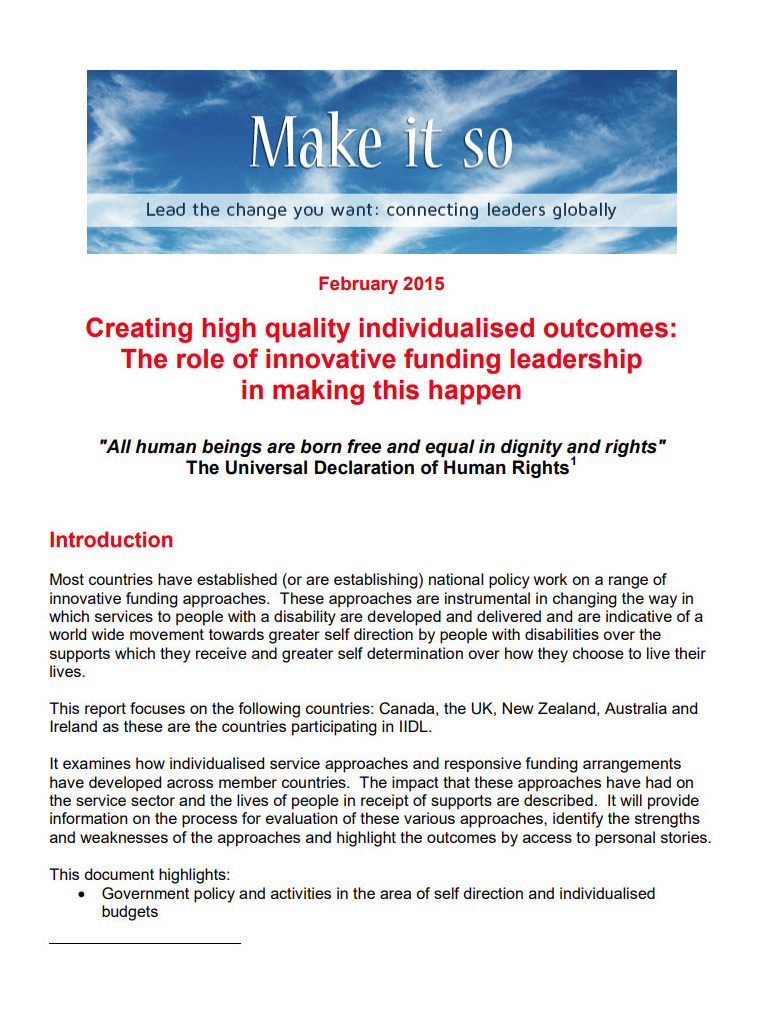
Most countries have established (or are establishing) national policy work on a range of innovative funding approaches. These approaches are instrumental in changing the way in which services to people with a disability are developed and delivered and are indicative of a world wide movement towards greater self direction by people with disabilities over the supports which they receive and greater self determination over how they choose to live their lives.